
Healing Architecture and Low-Carbon Design: Integrating Life Cycle Perspectives
- Shing Hou Kuan
- 2月22日
- 讀畢需時 13 分鐘

Abstract
This paper discusses the ways in which healing architecture can be combined with low-carbon design from a life cycle perspective. Sustainable construction often focuses on carbon reduction, but healing spaces focus on multisensory design, such as light, sound, touch, and smell, which contribute to the well-being of the user. The study emphasizes the synergies between timber, vertical greenery, and biophilic design through case studies such as Bosco Verticale and Toronto’s Tree Tower. The research findings indicate that multisensory healing can mitigate operational energy consumption, while timber and plant-based systems play a crucial role in carbon storage and microclimate enhancement. Combined, these strategies hint towards an integrative model of sustainable architecture that takes into consideration environmental performance and human well-being in a balanced manner.
Keyword
Life Cycle Design (LCD), Life Cycle Assessment (LCA), Life Cycle Costing (LCC), Carbon Emissions, Sustainable Architecture, Low-Carbon Design, Healing Architecture, Biophilic Design
1. Introduction
With the global building industry turning to the direction of carbon neutrality, how to achieve the unity of environmental protection and human health has become more and more urgent. Carbon emissions in the process of building production and construction, operation and maintenance, and even later demolition, account for a large proportion in urban carbon emissions. In response, low-carbon design has become the mainstream strategy, and the environmental impact assessment of life cycle assessment (LCA) has a systematic framework.
Simultaneously, healing design has been gaining momentum in architectural practice. Healing spaces focus on multisensory experiences - light, sound, touch, and smell- that facilitate emotional resonance and psychological healing, as opposed to functionality alone. From the Biophilia Hypothesis to the Attention Restoration Theory (ART), it is found that natural elements and sensory involvement are crucial to mitigate stress and improve wellness.
However, low-carbon design, healing design, the two different directions of the trajectory are discussed in a single point, the former based on technical data, the latter based on perception and emotion; the missing is the integration between them.
These are questions the study addresses: Is it possible to create healing spaces without adding to carbon emissions? Is there a path for timber construction and plant-based systems to connect low-carbon strategies with healing strategies? Based on case studies and theoretical summary, the paper proposes an integrating concept that aims to optimize both greenness and user experience from the perspective of the whole life cycle of the building to pursue a more humanized sustainable architectural concept.
2. Literature Review
2.1 Low-Carbon Architecture and Life Cycle Design
Life Cycle Assessment (LCA), as a comprehensive evaluation method for buildings in all stages, can comprehensively assess the environmental impact of buildings from each stage of material extraction and production, construction, operation, and demolition. Within this context, timber has particularly emerged as a favourable material. Not only is it a renewable resource, but it also acts as a carbon sink, storing atmospheric carbon over its lifetime and lessening the overall environmental footprint of the built environment.
2.2 Biophilia Hypothesis and Biophilic Design
The term biophilia was originally coined by psychoanalyst Erich Fromm in his book, The Anatomy of Human Destructiveness (1973), and proposed that humans had an innate need to bond with nature. Biophilia was later expanded by Edward O. Wilson in his book, Biophilia (1984), which connected it to humanity's evolutionary ancestry. From the perspective of sustainable architecture, biophilic design, as a theoretical basis for building integration with nature, cannot only restore people's psychology, but also complement low-carbon design with timber, plants, and daylight.

Figure 1. Biophilic design elements. Source: Tropical Plant Rentals.
2.3 Stress Recovery Theory (SRT) and Attention Restoration Theory (ART)
Roger Ulrich (1984) proposed the Stress Recovery Theory (SRT) and showed that being in the natural environment could rapidly promote positive emotional changes and alleviate physiological stress, such as blood pressure and heart rate. Similarly, Rachel Kaplan and Stephen Kaplan's The Experience of Nature (1989) proposed an 'Attention Restoration Theory' (ART), suggesting that nature restores direct attention through involuntary immersion. They found four primary characteristics of restorative spaces: being away, extent, fascination, and compatibility. Collectively, each theory demonstrates the psychological and physiological benefits of incorporating nature into daily spaces.
2.4 Healing Design and Multisensory Spaces
Multisensory design provides an important starting point for healing environment design. Each of the five senses contributes uniquely to spatial experience:
- Visual: natural light, muted colors, and organic textures alleviate sensory fatigue.
- Auditory: soft music, white noise, or natural sounds that can reduce tension (such as flowing water and birdsong).
- Tactile: warm materials like wood and fabric foster comfort and safety.
- Olfactory: plant fragrances and herbal scents stimulate positive emotions.
- Taste: not as common, but providing tea or small snacks in transition spaces can create a greater sense of belonging and familiarity.
Together, these suggest that user comfort and energy demand are intimately linked: when an environment is less stressful and returns attention to the present, it is also often less dependent on mechanical heating, cooling, or light. So, trees and plants can not only reduce carbon emissions by being more efficient in their use of materials and energy, but they can also improve our mental health and well-being through multi-sensory interaction. In view of this duality, the basis for the integration of healing design and low-carbon in the life cycle of buildings is provided.
3. Case Study: Bosco Verticale
Bosco Verticale is a building prototype conceived and built from 2009 by the Italian architect Stefano Boeri to illustrate a new architectural biodiversity model. The first project was completed in 2014 in Milan. It is composed of two residential towers, 80 meters and 112 meters high. Bosco Verticale is considered to be a typical low-carbon architecture, which can provide multiple benefits for both the environment and residents. Its green facade can capture carbon dioxide, save energy, and increase biodiversity. In addition to its architectural aesthetic value, the project also puts forward new prospects for sustainable urban development.
For Stefano Boeri, the prototype of Bosco Verticale is an example of a new mode of densified afforestation, vertical, in the city. The idea is to increase the urban greenery in 3d without occupying land, so that people could get out of the modern city "concrete forest", and create a high system of biodiversity.

Figure 2. Bosco Verticale. Source: Audrius Venclova
Green façade: The green façade is the key to Bosco Verticale's innovative design. More than 800 trees (480 medium and large, 300 small) and more than 15,000 perennial plants and ground cover, plus about 5,000 shrubs, are included in the façade. There are 2,280 square metres of vegetation between the two towers. Instead of the concrete, brick, and glass curtain walls of the city, there is a soft green shell. Every citizen has two trees, eight shrubs, and forty plants. The building can be called 'a tower of trees for human habitation'. This rich vegetation coverage brings many benefits:
Pollution: The plants filter out particulate pollution and noise, absorb carbon, generate oxygen, and purify air as a buffer between the city and the apartments.
Energy efficiency: The green façade shields residents from the hot Mediterranean rays and naturally changes appearance with the seasons —green in spring, colorful in autumn. By insulating and shading, it reduces energy consumption. It keeps the building cooler in summer (by about 3°C) and warmer in winter, reducing the demand for air conditioning and heating. In one study, this effect alone was estimated to save about 7.5% of energy used over the year. On all counts, the building has a much lower overall energy demand than typical Milanese buildings.
Biodiversity: Approximately 100 plant species are planted along the façade, which gives rise to a vertical oasis in the city and provides homes for birds and wildlife.

Figure 3. Bosco Verticale Diagram. Source: Stefano Boeri Architetti
Urban heat island: Bosco Verticale contributes to the improvement of the microclimate by filtering fine particles circulating in the urban environment. The façade cooling effect brings down surrounding temperatures, thereby decreasing the demand for cooling capacity and alleviating the urban heat island effect, a condition typically associated with concrete and asphalt absorbing solar radiation.
Indoor comfort: The shade provided by the green facade helps to regulate the temperature of the interior, the light and enhance air quality, the diversity of plants helps create a microclimate to humidise, reduce carbon dioxide and particulates, and generate oxygen, while combating radiation and noise pollution. In the summer, a few residents can only open natural ventilation to cool down. When the external temperature reaches an extreme, the passive cooling supplied by the groundwater also prevents the building from overheating.
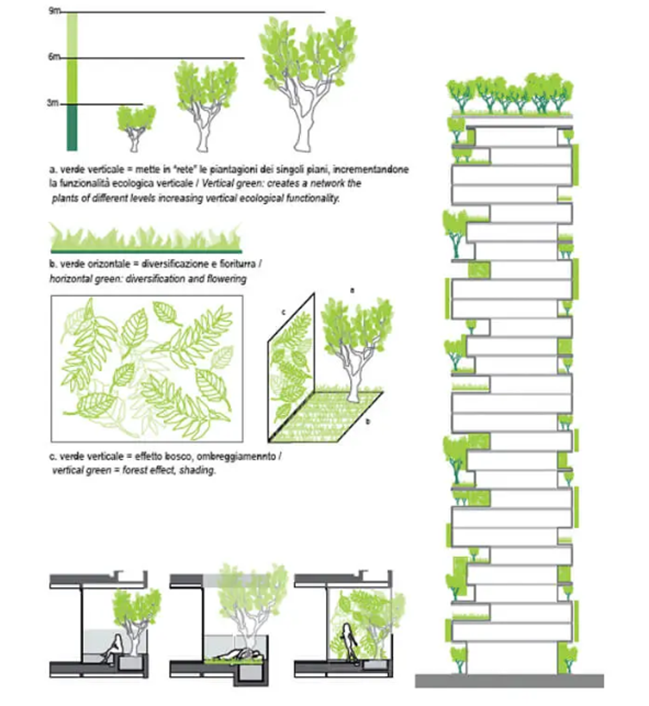
Figure 4. Bosco Verticale Diagram. Source: Stefano Boeri Architetti
Resident satisfaction: Residents are highly satisfied with the comfort level and the rich greenery. This sense of well being reflects the healing potential of biophilic design, where natural elements foster calm, connection, and everyday restoration.
All these characteristics set Bosco Verticale apart from conventional buildings, and it is a focal point in the Porta Nuova redevelopment. Over its life cycle, it provides benefits not only to its residents but also to the wider urban area and city (World Green Building Council, 2015).

Figure 5. Functional and environmental benefits of Bosco Verticale, illustrating its role in shading, air purification, and microclimate regulation. Source: Stefano Boeri Architetti
4. Question and Discussion
According to the official website of Bosco Verticale, the building is intended to provide more green space for cities, to assist in the reduction of greenhouse gas emissions, and to foster biodiversity within local urban areas. Both from a purely aesthetic point of view as well as from a healing point of view, the vertical forest is very appealing. It conforms to the concept of biophilic design: with the help of nature, let the users feel calm, comfort, and connection, and enhance their physical and mental health. Meanwhile, its vegetation-covered facade also makes the architectural work full of vitality and has a colorful and beautiful appearance in autumn.
However, critical voices are not absent. For example, some questioned whether the project represents sustainability or aesthetics, raising doubts about whether it is too idealized to be real. Are such designs truly sustainable, or are they simply examples of urban redevelopment where nature has been privatized? (Shuyun Liu, 2023).
4.1 More Green = More Sustainable?
Does more greenery necessarily mean more sustainability? Sustainability cannot be simply defined. It must be considered across the entire life cycle of the building, from construction to long-term maintenance.
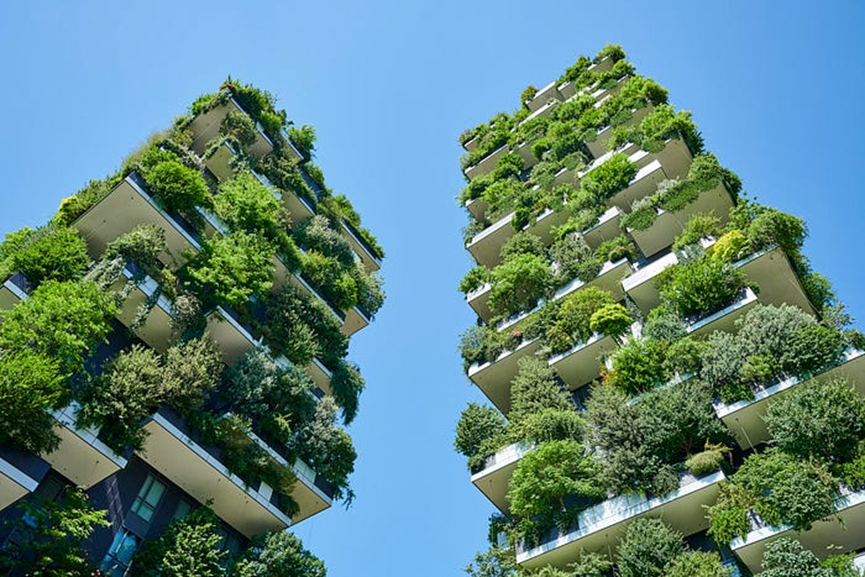
Figure 6. Bosco Verticale. Source: tanukiphoto
4.2 Additional Weight and Increased Concrete Use
One major challenge during construction was the additional weight of plants and soil. The World Green Building Council (WGBC) reported that the enhanced operational performance of Bosco Verticale came at the cost of embodied emissions. To support large-scale planting on the façade, architects designed cantilevered concrete platforms to bear the added load. This required extra building materials, increasing emissions and resource use. Although measures were taken to reduce concrete demand—such as mixing agricultural soil, organic matter, and volcanic materials to lighten planter weight—the overall effect was still greater concrete consumption. Since the concrete industry is responsible for up to 8% of global emissions, the structure immediately incurred a “carbon debt” (World Green Building Council, 2015).
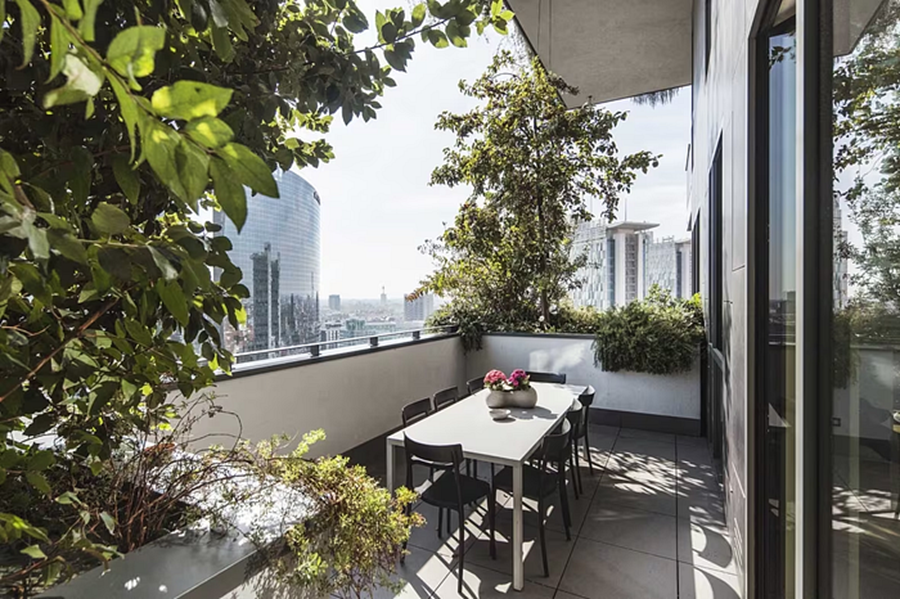
Figure 7. Bosco Verticale. Source: Giovanni Nardi/Stefano Boeri Architetti
4.3 Plant Maintenance and Pest Control Costs
After completion, the vegetation still needs continuous maintenance, particularly in autumn, to prevent falling leaves from blocking drainage systems. To keep the towers and people safe, professional maintenance is necessary on a large scale. In Milan, annual condominium fees reach up to €7,000 per household. Despite the beauty of natural and wildlife views, pest problems are expected to be significant. These reasons bring the management costs up to tens of thousands of euros per month, offering little help to Milan's affordable housing crisis.

Figure 8. Bosco Verticale. Source: Stefano Boeri Architetti
4.4 Structural Damage from Plant Growth
Unlike concrete, trees are not physically stable materials, and once planted, they just keep growing. Bosco Verticale planted 480 medium and large trees, the roots of which may damage building structures and stability. For instance, research carried out by the China State Construction Third Engineering Bureau and Wuhan University observed balcony planters of the first vertical forest project adapted in China, the vertical forest project of Huanggang. Using strain gauges and piezoelectric sensors, the team found that construction, soil backfilling, and tree planting all exerted forces on planter structures, leading to deformation.
4.5 Limited Energy-Saving Effects
Research by Jian Wang from Tongji University’s School (2021) discovered that when vertical greening was used on the east and west sides of office buildings in Shanghai in summer, their energy consumption could be saved by 6 - 6.5%. Another study conducted in Spain found that although a greening wall could decrease the exterior surface temperature, it did not have a significant effect on indoor air - conditioning loads. Overall, the energy-saving effect of vertical greening is limited, and economic evaluations suggest it is not cost-effective for buildings with already high energy efficiency. Benefits are more evident only in ordinary walls without insulation.
5. Bosco Verticale as a Manifesto
Boeri’s studio issued a “Vertical Forest Manifesto,” articulating nine meanings of vertical forests for cities:
1. A counterbalance to blind urban expansion.
2. A smart building for smart cities.
3. A starting point for recovering urban biodiversity.
4. An energy saver against glass-dominated cities.
5. A filter for urban air.
6. A colorful landscape landmark.
7. A school for the future.
8. The ultimate form of three-dimensional greening.
9. Not merely a building, but a replicable method.
Much of this manifesto was subsequently reproduced in the Harvard University Journal. In practice, however, many of these claims have proved unconvincing. Apart from being a landmark, Bosco Verticale has struggled with occupancy rates, resident experience, and maintenance costs. Its ecological contributions are also less impressive than advertised.
However, it did have a significant influence. Following Bosco Verticale, numerous worldwide designs have tried incorporating vegetation into façades for a more pleasant living environment, some successful and some not. The idea has seen a number of different adaptations in projects of different scales and countries. As life cycle emissions become more and more recognized, architects are starting to experiment with alternative materials and technical solutions for decreasing cantilever structures and associated loads, to maintain the vertical forest benefits while reducing embodied carbon.
For instance, Paris's La Forêt Blanche is designed entirely in timber, which can accommodate 400 trees. Sustainable low-upfront carbon wood reduces the life cycle emissions. The future projects need to strike a balance between the benefits of added greenery and the innovative use of the required materials. This is important as the construction sector seeks to minimise upfront emissions and transition to alternative low-carbon options.

Figure 9. La Forêt Blanche. Source: Stefano Boeri Architetti
One promising example is Precht’s Toronto Tree Tower, an 18-story mixed-use residential skyscraper built with modular timber construction, inspired by Moshe Safdie’s Habitat 67. The tower reconnects urban areas with nature and natural materials. As partner Chris Precht explained: “Our cities are an assembly of steel, concrete, and glass. If you walk through the city and suddenly see a tower made of wood and plants, it will create an interesting contrast. The warm, natural appearance of wood and the plants growing on its facade bring the building to life, and that could be a model for environmentally friendly developments and sustainable extensions of our urban landscape.” This design embodies the concept of biophilia, combining plants and architecture to enhance users’ healing potential.

Figure 10. Toronto Tree Tower. Source: Studio Precht
Unlike Milan’s Bosco Verticale, which relies on a concrete structural system, the Toronto Tree Tower adopts a timber and prefabricated approach. This is a wise decision, as timber not only provides a warmer and more comfortable user experience but also performs better in terms of life cycle assessment, effectively reducing the building’s carbon footprint. Pre-fabricated CLT panels are constructed off-site and craned into position after the foundation and base core are complete. This method of construction can finish a building quicker, quieter, and with less waste. Minor concrete and steel elements carry the CLT panels in the locations where they are needed, but even these are conceived with the life cycle in mind.

Figure 11. Prefabricated construction of the Toronto Tree Tower. Source: Studio Precht
Researcher Dayong Sun explains: “Elements of a building, like wires and copper, will be scarce resources in the future. To demolish a tower conventionally buries most valuable elements of a building. To think about downconstructing a tower secures a sustainable life cycle of a building.”
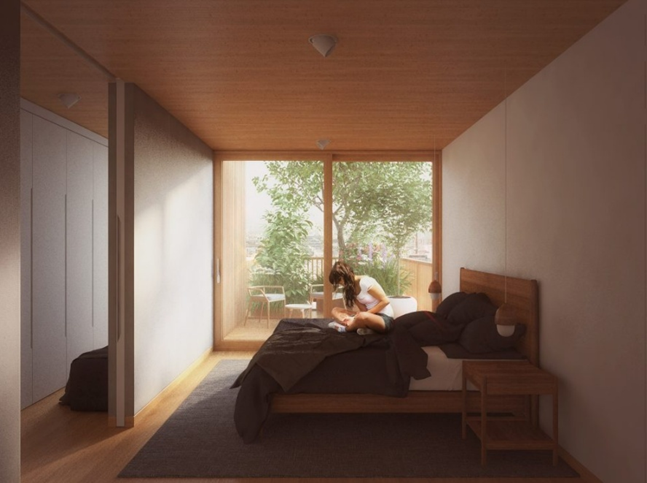
Figure 12. Interior Design of the Toronto Tree Tower. Source: Studio Precht
Large outdoor terraces accommodate vegetation systems that can sustain food gardens, shrubbery, and even trees. These elements passively cool the building and create privacy for individual units. By placing trees close to structural wood panels, a symbiosis of nature and the built environment can be observed.

Figure 13, 14 . Toronto Tree Tower. Source: Studio Precht
This is evident in the discussions on Bosco Verticale and Toronto's Tree Tower, where vertical greening and timber construction create both opportunities and challenges. The behaviour of users is a crucial factor: comfort preferences can either mitigate or exacerbate HVAC loads, and the multi-sensory benefits of Timber and vegetation are evident in vision, smell, touch, and psychology. On the one hand, there are still technical problems to be solved, such as plant maintenance and timber durability, and there are also economic issues to be considered, such as cost and market acceptance issues, as well as methodological issues on how to consider “healing value” in LCA.
6. Conclusion
In conclusion, the incorporation of greenery into architecture can effectively enhance biophilic qualities, strengthen the healing and restorative effects on users, and increase the overall attractiveness of buildings. However, the phenomenon of “green packaging” has also emerged, where environmental benefits are overstated to appeal to consumers, while the actual contribution to low-carbon sustainability remains limited.
Although the Bosco Verticale project is considered a success, it is not a realistic alternative for the general public, and it is certainly not a sustainable model for future green buildings. Vertical gardens and ecological housing look great, but are often more expensive to build and difficult to maintain later. Their use is also limited to specific situations, for instance, ordinary dwellings without any form of thermal insulation in the walls, with small windows-to-wall ratios and high summer heat loads.
These constraints indicate that future sustainable architecture will need to move from the symbol of green to the integration of environmental and human well-being. Only by embedding healing design into life cycle assessment can architects and policymakers ensure that restorative qualities are not treated as secondary, but as essential components of truly sustainable building practice.
References
1. Fromm, E. (1973). The anatomy of human destructiveness. New York: Holt, Rinehart and Winston.
2. Kaplan, R., & Kaplan, S. (1989). The experience of nature: A psychological perspective. Cambridge: Cambridge University Press.
3. Ulrich, R. S. (1984). View through a window may influence recovery from surgery. Science, 224(4647), 420–421. https://doi.org/10.1126/science.6143402
4. Wilson, E. O. (1984). Biophilia. Cambridge, MA: Harvard University Press.
5. World Green Building Council. (2015). It’s not that easy being green. World Green Building Council Report.
6. Shuyun Liu. (2023). Bosco Verticale: Sustainability or aesthetics? [in Chinese]. Retrieved from https://www.example.com
7. Jian Wang (2021). Health monitoring of balcony planters in vertical forest residential buildings [in Chinese]. China State Construction Third Engineering Bureau & Wuhan University.
8. Bo Ning (2022). Impact of vertical greening on office building energy consumption in southern regions [in Chinese]. China Academic Journal Electronic Publishing House. Retrieved from http://www.cnki.net
9. Xudong You. (2022). Bosco Verticale: An ecological lie? [in Chinese]. Beijing: China Architecture Publishing House.
10. Jiangshan Xingji. (2023). Bosco Verticale: Urban savior or daydream? [in Chinese]. Retrieved from https://www.example.com

留言